Smoke Alarm Replacements & New Smoke Alarm Installations
Protecting Maryland, Washington DC & Northern Virginia Families Since 1991
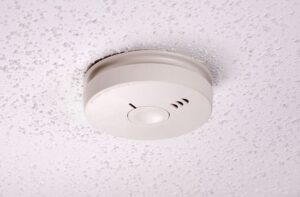 Nobody thinks about their smoke alarms until one starts chirping at 3 a.m., and then most people just want the beeping to stop. But your smoke alarms are the one electrical system in your home whose entire job is keeping your family alive, and getting them right involves more than climbing a ladder with a fresh battery. Alarm age, alarm type, brand compatibility, carbon monoxide protection, and state code requirements all matter, and they are exactly what most homeowners have never been told.
TriStar Electric replaces and installs smoke alarms and carbon monoxide detectors for homeowners throughout central Maryland, Washington DC, and Northern Virginia. Whether you are dealing with a nuisance alarm that will not quiet down, an aging system, or a home with no hardwired protection at all, our licensed electricians will diagnose the situation honestly and set your home up the way the codes, and common sense, require.
Why Is My Smoke Alarm Beeping?
First, identify the sound. A full, continuous alarm means get out of the house and call 911. Treat it as the real emergency it may be, whether fire or carbon monoxide. Only after the fire department has checked and cleared your home should you call us, because a false full alarm often points to a failed sensor or interference from steam or dust that we can diagnose.
An intermittent chirp is different: that is usually a low battery or an end-of-life warning. Try fresh batteries first, typically 9-volt or AA. If the chirping continues with good batteries, the alarm itself is likely telling you its time is up. And here is the rule that surprises most homeowners: if your alarms are ten or more years old, they must be replaced no matter what, because the sensors inside degrade and lose effectiveness with age. A quick tell: smoke alarms take on a yellowish tinge as they get old. If yours look yellowed, they are almost certainly due.
Replacing Smoke Alarms: Why It Is an All-or-Nothing Job
When hardwired smoke alarms are replaced, they all need to be replaced together, and they all need to be the same brand and model. This is not an upsell; it is how interconnected alarms work. Mismatched hardwired alarms may not communicate properly, which causes nuisance alarms at best and silent failures at worst. We recommend replacing the battery-only units at the same time, so every alarm in the home is the same age and the whole system ages predictably instead of failing one surprise at a time.
One more thing worth knowing: if your home still has old battery-only alarms with replaceable batteries, those are no longer legal: battery-only alarms must now be sealed ten-year tamper-resistant models. If yours take a 9-volt you swap every year, they need to go.
Choosing the Right Alarms: We Make It Simple
There are more types of smoke alarms than most people realize, and we help you sort them quickly. If your home has gas appliances, you need combination smoke and carbon monoxide alarms on every main level, with standard smoke alarms in bedrooms and other sleeping areas. Kitchens, garages, and laundry and boiler rooms are better served by heat-sensing alarms that will not false-trigger on cooking smoke or steam. As for sensing technology, ionization alarms respond fastest to fast-flaming fires while photoelectric alarms excel at slow, smoldering fires and resist nuisance tripping. Both are reliable, some models combine the two, and we will recommend the right mix for your home’s layout.
We proudly install Kidde brand smoke alarms, and we also work with other proven names like BRK. One strong recommendation: stick with an established name brand. The bargain alarms from third-party online sellers are not where you want to discover what corners were cut; this is the device that wakes your family up.
A note if your alarms came from a security company: keep your regular home smoke alarms updated anyway. Security-system alarms are not always monitored the way homeowners assume, and if the monitoring bill lapses, they may not respond the way you expect. Your hardwired house alarms are the layer that always works.
Maryland Smoke Alarm Code Requirements
Maryland’s smoke alarm requirements depend on when your home was built, and the newer the home, the stricter the rules. Homes built before July 1, 1975 must have at least one alarm on every level, including the basement, and any battery-powered units must be sealed ten-year tamper-resistant models. Homes built between July 1, 1975 and June 30, 1990 must have hardwired alarms with battery backup. Homes built between July 1, 1990 and June 30, 2013 must be hardwired with battery backup and interconnected, meaning when one alarm sounds, they all sound. And homes built on or after July 1, 2013 must have hardwired, interconnected alarms in every sleeping room, outside every sleeping area, and on every level of the home.
Not sure which rules apply to your home, or whether your current alarms meet them? That is exactly what we sort out during a free estimate, and for homes in Washington DC and Virginia, we handle those jurisdictions’ requirements as well.
Frequently Asked Questions
How do I know if my alarms are hardwired or battery-only?
Twist the alarm counterclockwise and pull it down; if there is a wire harness behind it, it is hardwired. Another clue: most hardwired alarms show a steady green light when powered and healthy; no light usually means battery-only or a defective unit. If getting up on a ladder is not for you, we will come out and inspect the system. It is a billable service call, but as a courtesy we can credit part of that cost toward your new replacements.
My alarm keeps going off for no reason. Can I fix it myself?
Sometimes. If the alarms are under ten years old with good batteries, try this: turn off the breaker if they are hardwired, take the alarm down and unplug its harness, remove the batteries, hold the test button for about twenty seconds to drain residual power, and clean the sensor openings with compressed air or a vacuum. Reassemble, restore power, and you may be done. If the nuisance alarms continue after that, the unit is telling you it is finished: disable it and have your alarms replaced promptly. A home with a disabled smoke alarm is a home without one.
Do I really have to replace alarms that still seem to work?
Yes. At ten years, replacement is both state law and manufacturer requirement, regardless of whether the alarm still sounds during a test. The test button confirms the horn and circuitry work; it cannot confirm the aging sensor will actually detect smoke when it counts. Check the date stamped on the back of the unit.
Why Homeowners Choose TriStar Electric
Smoke alarms are life safety equipment, and we treat them that way. TriStar Electric is a local, family-owned electrical contractor based in Jessup, Maryland, serving families across central Maryland, Washington DC, and Northern Virginia since 1991. Our owners and managers are all master electricians, the technicians who come to your home are polite, clean, and professional, and every installation is backed by our one-year workmanship warranty. Before any replacement work begins, you get a free estimate so you know exactly what to expect. Read our Google reviews; protecting homes is what built our reputation.
Schedule Your Smoke Alarm Service Today
Whether you need a chirping alarm diagnosed, a full system of interconnected smoke alarms replaced, or new alarms installed to bring your home up to code, TriStar Electric is ready to help. We proudly serve homeowners throughout central Maryland, Washington DC, and Northern Virginia.
Contact TriStar Electric today for your free estimate, and sleep better tonight in every sense.